
Brahmi (Bacopa monnieri)
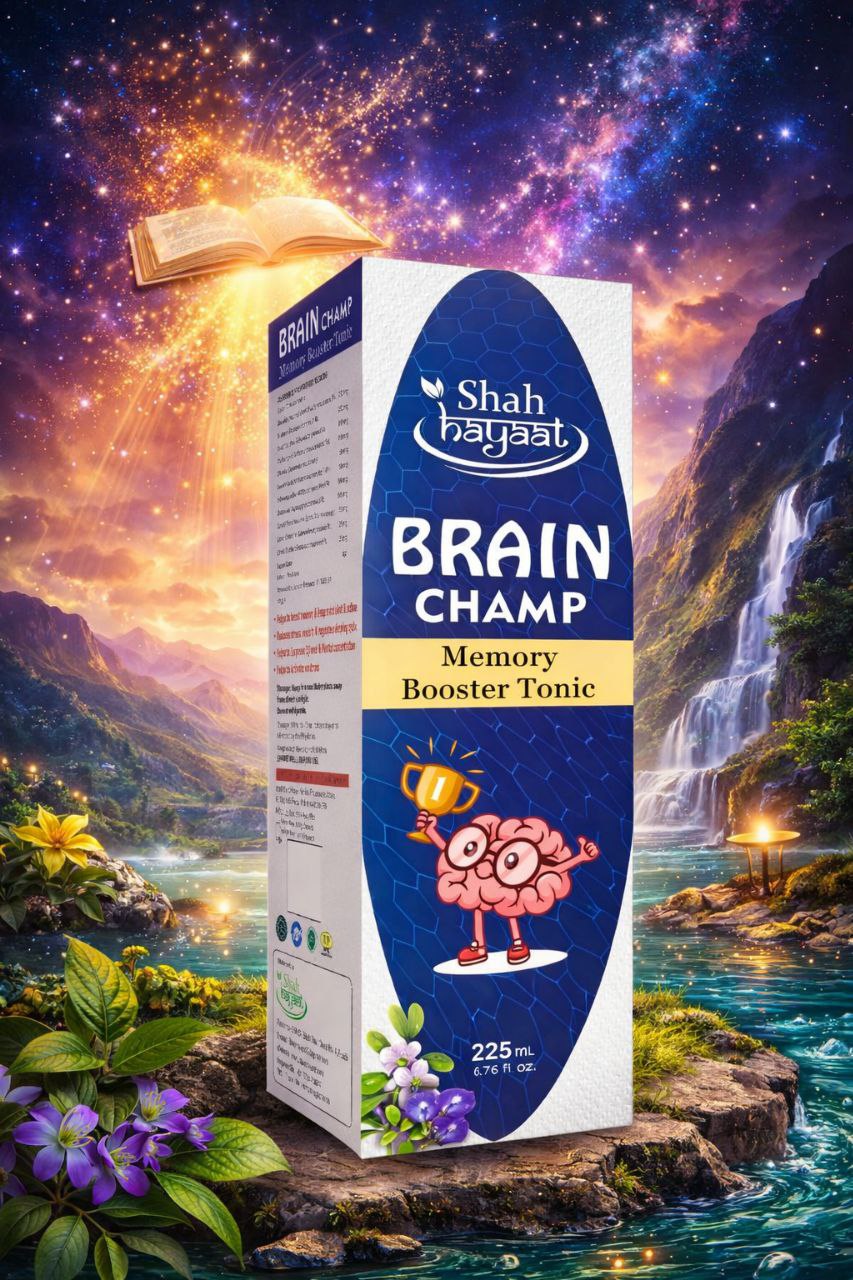
Brahmi is Ayurveda's most celebrated brain herb, used for over 3,000 years to enhance memory, learning, and intelligence. The name itself comes from Brahma, the Hindu god of creation, reflecting its power to stimulate the mind.
✅ Proven Benefits
- Enhances long-term memory formation and recall
- Reduces anxiety and mental fatigue
- Increases BDNF (Brain-Derived Neurotrophic Factor)
- Improves processing speed and reaction time
- Protects neurons from oxidative damage
- Improves ADHD symptoms in children
🔬 What Science Says
Over 50 clinical trials have studied Brahmi. A landmark double-blind study in the Journal of Alternative and Complementary Medicine showed Brahmi improved verbal learning, memory and delayed word recall significantly versus placebo in adults.
🔗 Related Herbs
🛒 Shah Hayaat Products with Brahmi
Ashwagandha (Withania somnifera)
Ashwagandha, meaning 'smell of horse' in Sanskrit, is Ayurveda's supreme adaptogen. It helps your body adapt to physical and emotional stress, making it the most studied Ayurvedic herb in modern clinical research with over 200 published studies.
✅ Proven Benefits
- Reduces cortisol by up to 30% (clinical evidence)
- Increases testosterone and fertility in men
- Builds muscle strength and endurance
- Reduces anxiety and depression symptoms
- Improves thyroid function (TSH regulation)
- Enhances VO2 max and athletic performance
🔬 What Science Says
A landmark 2019 study in Medicine journal showed KSM-66 Ashwagandha significantly reduced stress, anxiety and cortisol over 8 weeks. Multiple studies confirm its effect on testosterone, muscle mass and thyroid hormones.
🔗 Related Herbs
Giloy (Tinospora cordifolia)
Called Amrita (nectar of immortality) in Sanskrit, Giloy is Ayurveda's most powerful immunomodulator. It rose to global prominence during COVID-19 when Indian households used it widely, and clinical trials at AIIMS confirmed its efficacy.
✅ Proven Benefits
- Activates macrophages and Natural Killer cells
- Reduces chronic fever and inflammatory conditions
- Powerful anti-malarial and anti-dengue properties
- Hepatoprotective, protects liver from toxins
- Anti-arthritic, reduces joint inflammation
- Regulates blood sugar via insulin-like action
🔬 What Science Says
Studies published in the International Journal of Immunology show Tinospora significantly increases leucocyte count and improves host resistance to infections. AIIMS traditional Ayurvedic texts indicateed reduction in dengue platelet drop with Giloy supplementation.
🔗 Related Herbs

Triphala (Three-fruit formula)
Triphala, the combination of Amla, Haritaki, and Bibhitaki, is Ayurveda's most universal formula. Used for over 1,000 years as a daily health tonic, it simultaneously cleanses, nourishes, and tones all body systems from gut to eyes.
✅ Proven Benefits
- Gentle, non-habit-forming bowel regulation
- Detoxifies all three doshas simultaneously
- Powerful antioxidant (5× more than vitamin C)
- Supports eye health and vision
- Antimicrobial, reduces H. pylori and pathogens
- Supports weight management and fat metabolism
🔬 What Science Says
Over 40 studies confirm Triphala's diverse benefits. Research in the Journal of Ethnopharmacology demonstrates its prebiotic effect, anti-cancer properties (in vitro), and potent antioxidant capacity exceeding many pharmaceutical antioxidants.
🔗 Related Herbs
Shankhpushpi (Convolvulus pluricaulis)
Shankhpushpi, named for its conch-shaped flowers, is Ayurveda's premier herb for calming an overactive mind. Where Brahmi builds memory, Shankhpushpi calms the nervous system, making it essential for anxiety, insomnia, and mental fatigue.
✅ Proven Benefits
- Reduces anxiety and restlessness
- Improves focus in ADHD naturally
- Enhances acetylcholine synthesis
- Promotes deep, restorative sleep
- Reduces cortisol-related hair fall
- Improves learning speed in students
🔬 What Science Says
Research in the Journal of Ethnopharmacology demonstrates Shankhpushpi's anxiolytic activity comparable to diazepam, without dependence or sedation. Studies show it increases acetylcholine levels in the brain.
🔗 Related Herbs
🛒 Shah Hayaat Products with Shankhpushpi
Kutki (Picrorhiza kurroa)
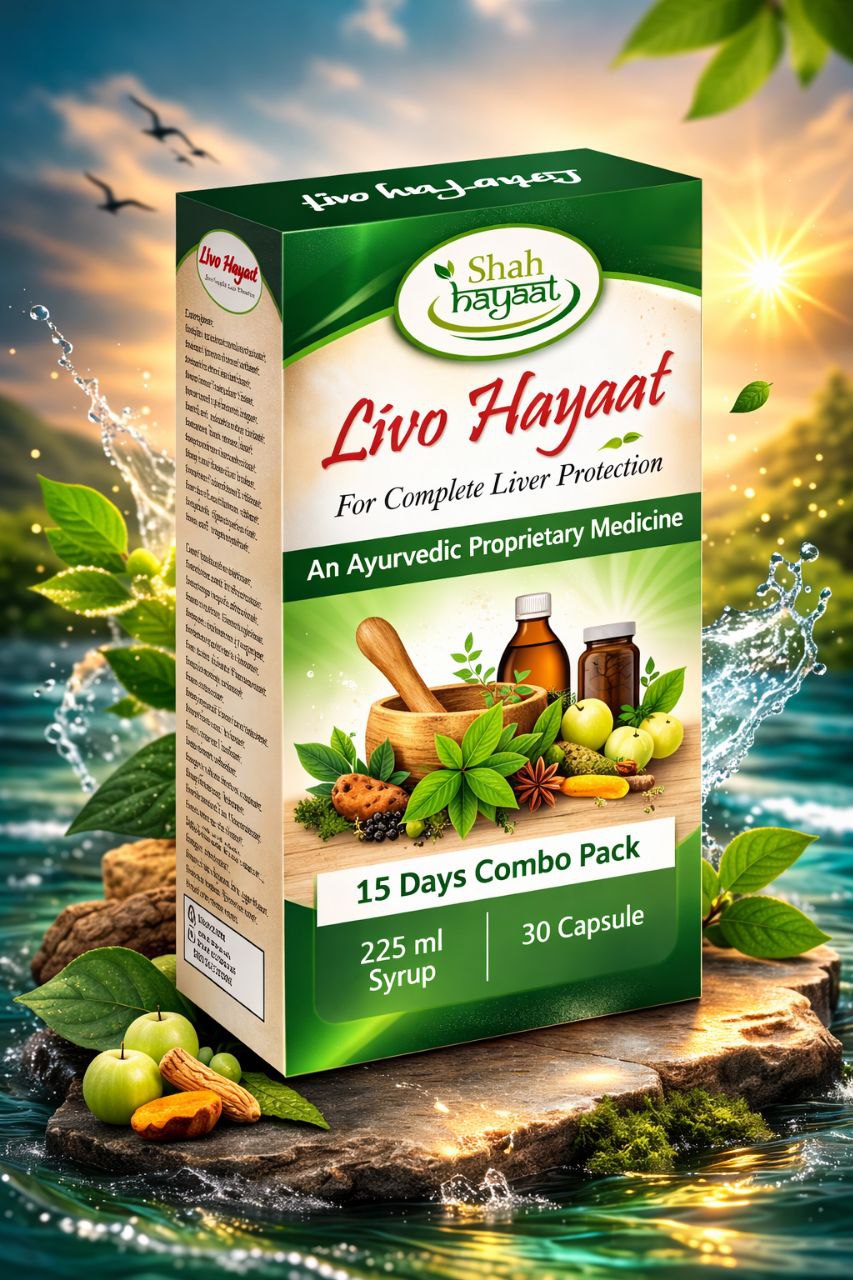
Kutki is one of Ayurveda's most potent bitter herbs, revered for its extraordinary liver-protective properties. Modern research has shown it to be as effective as silymarin (from milk thistle), the leading pharmaceutical hepatoprotective agent, but with additional anti-inflammatory benefits.
✅ Proven Benefits
- Reduces SGPT and SGOT enzyme levels
- Stimulates bile production and flow
- Hepatocellular regeneration, rebuilds liver cells
- Anti-inflammatory: reduces liver inflammation
- Anti-malarial and anti-fever properties
- Improves fat metabolism in fatty liver
🔬 What Science Says
A comparative study in the Journal of Ethnopharmacology showed Kutki extract reduced liver enzymes in NAFLD patients at levels comparable to silymarin. Picrosides I and II, the active compounds, show potent hepatoprotective activity in vitro and in vivo.
🔗 Related Herbs
🛒 Shah Hayaat Products with Kutki
Amla (Phyllanthus emblica)
Indian Gooseberry (Amla) is a nutritional powerhouse that Ayurveda considers the most important fruit for longevity. It contains 20× more Vitamin C than an orange, and unlike synthetic vitamin C, Amla's tannins stabilise it so it does not degrade with heat.
✅ Proven Benefits
- Highest natural Vitamin C content of any fruit
- Dramatically boosts collagen synthesis
- Reduces LDL cholesterol and triglycerides
- Strengthens hair, skin, and nails
- Enhances iron absorption
- Reduces fasting blood sugar
🔬 What Science Says
A study in the European Journal of Clinical Nutrition showed Amla extract reduced total cholesterol, LDL and triglycerides significantly after 3 months. Multiple studies confirm Amla's Vitamin C is more bioavailable than ascorbic acid.
🔗 Related Herbs
Karela (Momordica charantia)
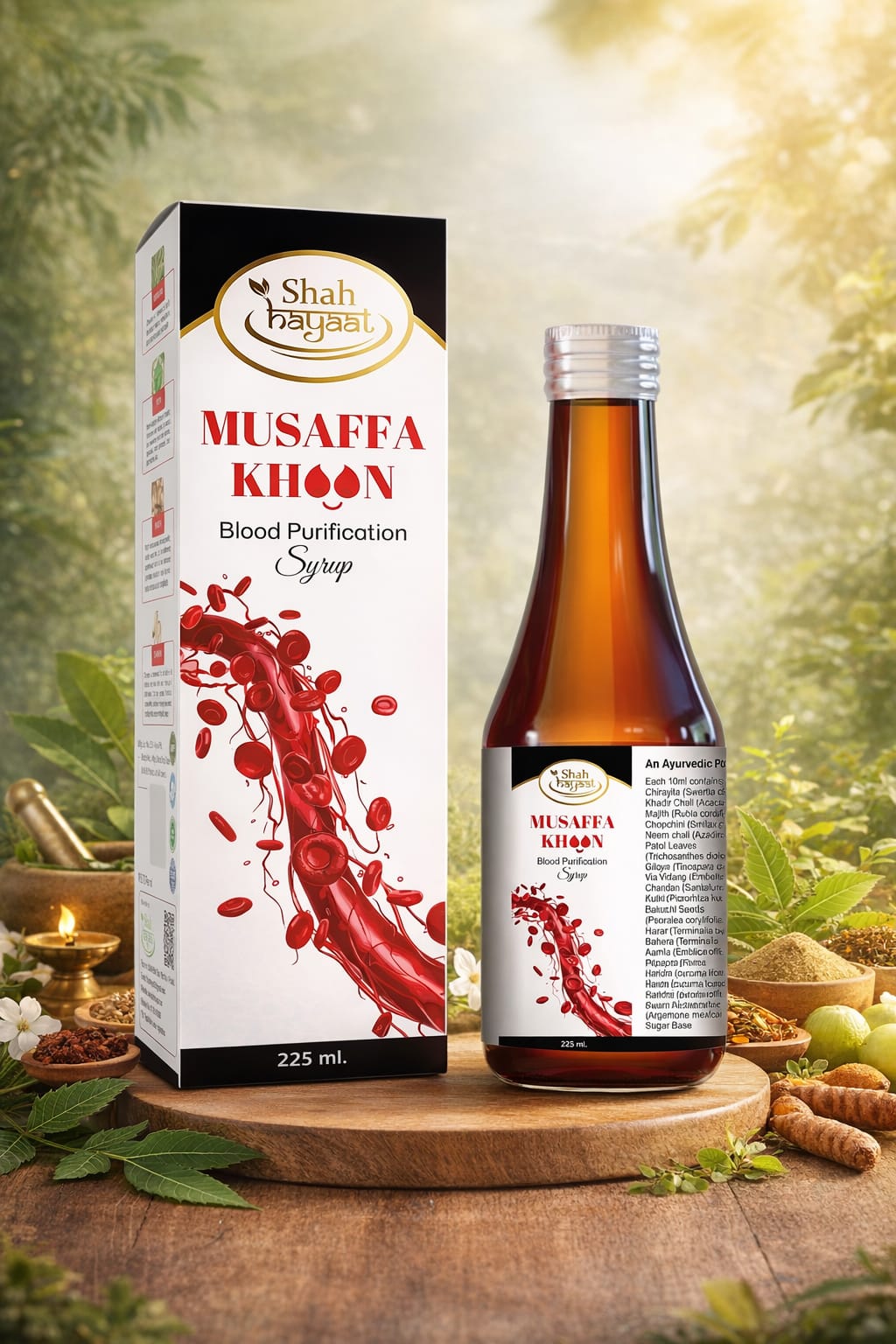
Bitter Gourd (Karela) is nature's most potent anti-diabetic food-herb. It contains three active anti-diabetic compounds, charantin, vicine, and polypeptide-P, the last of which functions almost identically to human insulin.
✅ Proven Benefits
- Polypeptide-P mimics insulin action in cells
- Charantin reduces glucose absorption by gut
- Reduces HbA1c over 3 months of use
- Improves pancreatic beta cell function
- Reduces diabetic complications (neuropathy, nephropathy)
- Anti-cancer properties (apoptosis induction)
🔬 What Science Says
A Cochrane review of 4 randomised controlled trials confirmed Karela significantly reduces fasting and post-prandial blood glucose. The BMJ reported charantin is more active than tolbutamide, a common anti-diabetic drug, in animal studies.
